- Get link
- X
- Other Apps
Venturing beyond the realm of casual camping into the heart of the wilderness demands a new level of self-reliance. Advanced Camp Craft: Mastering Wilderness Survival Skills is your guide to navigating the backcountry with confidence and preparedness. This isn't about simple tents and campfires; we're diving into the advanced gear, expert bushcraft techniques, and strategic planning needed to thrive in challenging outdoor environments. Whether you dream of tackling remote expeditions or simply want to sharpen your skills for unexpected situations, this guide will equip you with the knowledge and resources to handle the wilderness with expertise. Learn how to choose specialized gear like lightweight shelters and advanced water filtration systems, master essential skills such as wilderness navigation and first aid, and plan your ultimate backcountry adventure with an emphasis on safety and Leave No Trace principles. Join us as we journey from basic campsite setup to the core of advanced camp craft and wilderness survival.
Gearing Up for the Unexpected: Advanced Camp Craft Essentials
Venturing beyond established campsites and well-trodden trails into the heart of the wilderness demands a shift in mindset and gear. While basic camping equipment forms the foundation, mastering advanced camp craft necessitates a curated collection of high-quality, multi-purpose tools and resources that prioritize efficiency, durability, and lightweight design.
Shelter Systems: Beyond the Basic Tent
A reliable shelter is paramount in the wilderness. While a lightweight tent might suffice for casual camping, advanced camp craft often calls for more adaptable options:
Ultralight Tarps
Versatile and compact, tarps provide customizable shelter against the elements. Mastering various tarp configurations allows adaptation to diverse terrains and weather conditions.
Bivouac Sacks (Bivy Sacks)
These waterproof and breathable sacks offer an extra layer of protection against harsh weather when used alone or in conjunction with a tarp.
Hammocks
Ideal for wooded environments, hammocks elevate campers off the ground, providing comfort and protection from insects and small animals. Investing in a high-quality, weather-resistant shelter system, appropriate for your expected environment and trip duration, is crucial for a successful and safe wilderness experience.
Water Purification: Staying Hydrated Safely
Access to clean drinking water is non-negotiable in the backcountry. Advanced camp craft necessitates moving beyond basic filtration methods to ensure access to safe drinking water from various sources:
Water Filters with Pump Systems
These filters excel in removing bacteria and protozoa from larger quantities of water, making them ideal for groups or longer expeditions.
Ultraviolet (UV) Water Purifiers
Utilizing UV light to neutralize pathogens, these purifiers are effective against viruses and bacteria but require clear water sources free from sediment.
Portable Water Boilers
Boiling water remains a reliable method for purification. Lightweight camping stoves paired with durable pots allow for efficient water treatment. Understanding the different water purification methods and selecting the right system based on your anticipated water sources will ensure safe hydration throughout your adventure.
Fire Starting Mastery: Techniques and Tools
A campfire provides more than just warmth; it's essential for cooking, water purification, and signaling for help. Mastering diverse fire-starting techniques and carrying reliable tools is critical.
Ferrocerium Rods (Fire Steels)
These rods produce sparks hot enough to ignite tinder in any weather conditions, making them a reliable alternative to traditional lighters.
Waterproof Matches and Tinder
Store matches in a waterproof container along with easily ignitable tinder like cotton balls soaked in petroleum jelly or commercially available fire starters.
Natural Tinder and Fire-Making Techniques
Learning to identify and process natural tinder (e.g., birch bark, dry grasses) and practicing primitive fire-making methods like the bow drill can be invaluable survival skills. Redundancy in fire-starting methods is key. Carry multiple tools and practice your skills to guarantee a reliable source of warmth and light in the wilderness.
Essential Tools for Advanced Campcraft
Beyond the basics, specific tools enhance self-sufficiency and problem-solving in the backcountry:
High-Quality Knife and Sharpener
A durable, fixed-blade knife with a sharp edge is essential for various tasks, including food preparation, fire crafting, and gear repair. A compact sharpener ensures its effectiveness.
Multi-Tool Pliers
These compact tools combine pliers, wire cutters, screwdrivers, and other essential implements in a portable package, proving invaluable for gear adjustments and minor repairs.
Navigation Tools
A compass and topographic map, coupled with the knowledge to use them, are non-negotiable for wilderness navigation. Consider supplementing with a GPS device for additional backup and route tracking.
Signaling Devices
A whistle for short-range signaling and a mirror for attracting attention over long distances can be lifesaving in emergencies.
These advanced camp craft essentials, chosen for their durability, versatility, and lightweight design, empower outdoor enthusiasts to tackle challenging terrain and unexpected situations with confidence. Remember, thorough preparation and ongoing skill development are fundamental to enjoying safe and rewarding wilderness adventures.
Beyond Shelter and Fire: Mastering Advanced Bushcraft Techniques
Venturing beyond the familiar comforts of established campsites and well-marked trails requires a deeper understanding of wilderness living. It’s here, in the embrace of raw nature, where advanced bushcraft techniques become essential, transforming the outdoor experience from mere recreation to a journey of self-reliance and harmonious coexistence with the wild.
Navigating the Uncharted: Mastering Wilderness Navigation
While GPS devices and smartphone apps offer convenience, relying solely on technology in the wilderness can be a critical error. Batteries die, signals fade, and the wilderness often demands a more fundamental approach to way-finding.
Map and Compass Mastery
A topographic map and compass are the cornerstones of wilderness navigation. Learning to read contour lines, identify terrain features, and orient yourself with declination becomes crucial. Practicing triangulation – using bearings from identifiable landmarks – can pinpoint your location with remarkable accuracy, even in dense forests.
Celestial Navigation: A Timeless Skill
Looking to the sky offers ancient yet reliable navigation methods. Understanding the movement of the sun and stars can provide a general sense of direction. The North Star, for instance, has guided explorers for centuries and can be easily located using familiar constellations like Ursa Major (the Big Dipper).
Natural Navigation Clues
Nature itself provides subtle hints about direction. Observing the growth patterns of trees, the flow of water in streams, and even the direction of prevailing winds can offer valuable clues, especially when combined with other navigation techniques.
Nature’s Bounty: Identifying Edible Plants and Potential Hazards
The wilderness, while seemingly harsh, offers a surprising abundance of sustenance for those who know where to look. Foraging for wild edibles, however, requires cautious knowledge, as misidentification can have serious consequences.
Start with Reliable Resources
Field guides specific to your region are indispensable tools for plant identification. These guides often include detailed descriptions, photographs, and illustrations, highlighting key characteristics to distinguish edible plants from their poisonous counterparts.
Focus on Common Edibles
Begin by learning a handful of easily identifiable and widespread edible plants in your area. Cattails, dandelions, clovers, and many berry varieties are excellent starting points, offering nutritional value and relative ease of identification.
The Universal Edibility Test
While not foolproof, this cautious approach can help determine the edibility of unknown plants when other resources are unavailable. It involves isolating and testing small portions of a plant over time, observing for any adverse reactions before consuming larger quantities. However, this method should only be used in desperate situations with extreme caution.
Recognizing Poisonous Plants
Just as crucial as identifying edible plants is learning to recognize those that pose a danger. Poison ivy, poison oak, and water hemlock are common culprits to avoid. Familiarize yourself with their appearance and be aware of potential allergic reactions.
Wilderness First Aid: Preparedness for the Unexpected
In the back country, medical emergencies can escalate quickly. A well-stocked first aid kit is essential, but equally important is the knowledge to use it effectively in a variety of situations.
Building a Comprehensive Kit
A wilderness first aid kit goes beyond the basics of bandages and antiseptic. It should include items like a CPR mask, pressure dressings for severe bleeding, SAM splints for immobilizing fractures, and medications tailored to common wilderness ailments like diarrhea and allergic reactions.
Wilderness First Aid Training
Consider enrolling in a Wilderness First Aid (WFA) or Wilderness First Responder (WFR) course. These hands-on programs provide invaluable skills, covering everything from treating cuts and burns to managing hypothermia and heatstroke, all within the context of a remote setting.
Scenario Practice
Regular practice is key to remaining calm and efficient in an emergency. Run through hypothetical scenarios with your camping companions, simulating common injuries and practicing first aid techniques. This not only reinforces your skills but also builds confidence for handling real-life situations.
Wildlife Awareness: Respecting Nature’s Inhabitants
Sharing the wilderness with wildlife is a privilege, but it demands respect and understanding. Learning to identify animal tracks, recognizing signs of animal activity, and understanding wildlife behavior is crucial for both safety and preserving the delicate balance of nature.
Safe Food Storage
Improper food storage is a leading cause of negative human-wildlife encounters. Invest in bear-resistant canisters or utilize proper hanging techniques to keep food and scented items (toiletries, sunscreen) well out of reach of animals.
Wildlife Encounters: Staying Safe
Knowing how to react when encountering wildlife can make all the difference. Generally, it's best to observe from a distance and avoid approaching or cornering animals. Familiarize yourself with the specific behaviors and potential dangers of animals commonly found in the areas you explore.
Leave No Trace Ethos
Minimize your impact on wildlife by sticking to established trails, properly disposing of waste, and refraining from feeding or interacting directly with animals. Remember, observing wildlife from a respectful distance ensures their safety and allows future generations to appreciate their presence in the wild.
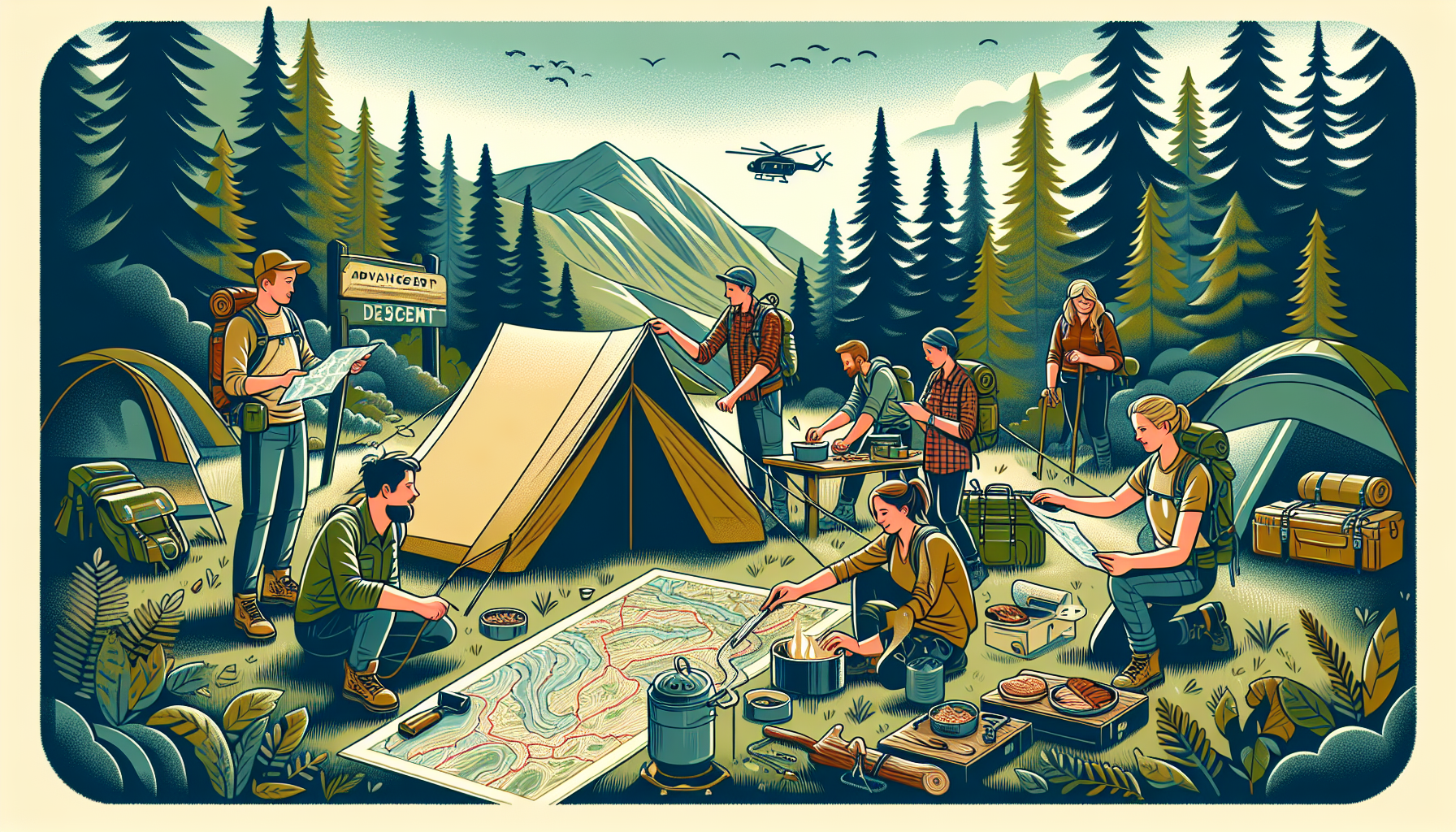
Putting Skills to the Test: Planning and Executing an Advanced Camp Craft Trip
You've honed your fire-starting skills, mastered the art of building a debris shelter, and can identify edible plants with confidence. Now, it's time to put all that knowledge into practice. Planning an advanced camp craft trip is both exhilarating and demanding. It's where theoretical knowledge meets the raw beauty and unpredictable nature of the wilderness. But before you lace up your boots and venture into the wild, meticulous planning is essential.
Crafting Your Route: Balancing Challenge and Safety
Selecting the right location is paramount. Consider these factors when choosing your route:
Your Skill Level
Be honest about your capabilities. A multi-day trek through challenging terrain is not the time to overestimate your skills. Start with shorter trips in familiar areas and gradually increase the difficulty.
Terrain and Environment
Research the topography, altitude variations, water sources, and potential hazards of the area. Maps, guidebooks, and online forums are invaluable resources for gathering this information.
Permits and Regulations
Check if permits are required for camping or hiking in your chosen area. Familiarize yourself with any specific regulations or restrictions in place.
Risk Assessment: Preparing for the Unexpected
Even the most experienced outdoors people can encounter unforeseen challenges. A thorough risk assessment is crucial to minimize potential hazards.
Weather Conditions
Weather can change rapidly in the wilderness. Be prepared for extremes in temperature, precipitation, and wind. Consult forecasts, but be ready for unexpected shifts. Pack layers of clothing and adequate shelter.
Wildlife Encounters
Research the types of wildlife inhabiting the area and understand their behavior. Pack bear spray if necessary, store food securely, and learn how to react calmly in wildlife encounters.
Navigation Challenges
Even experienced navigators can get disoriented. Carry a map and compass, and know how to use them proficiently. A GPS device can be a helpful backup, but don't rely solely on technology.
Medical Emergencies
Pack a comprehensive first aid kit and know how to use it. Consider taking a wilderness first aid course to gain essential skills for handling medical situations in remote locations.
Minimizing Impact: Leave No Trace Principles
As responsible wilderness travelers, it's our duty to protect the natural environments we explore. Adhere to Leave No Trace principles throughout your trip.
Plan Ahead and Prepare
Proper planning minimizes waste and potential impacts on the environment. Pack appropriately, travel in small groups when possible, and avoid sensitive areas.
Dispose of Waste Properly
Pack out all trash, leftover food, and hygiene products. Use established toilets if available, or follow proper sanitation practices when burying human waste.
Leave What You Find
Resist the urge to collect souvenirs or disturb natural features. Leave rocks, plants, and other natural objects as you found them.
Minimize Campfire Impacts
Use established fire rings where available. Keep fires small and manageable, and burn only wood that is dead and down. Extinguish fires completely before leaving your campsite.
Seeking Further Guidance: The Value of Wilderness Survival Courses
While online resources and books offer valuable information, there’s no substitute for hands-on learning. Enrolling in a wilderness survival course, led by experienced instructors, provides an invaluable opportunity to refine your skills.
Practical Skill Development
Gain proficiency in essential skills such as fire-starting, shelter building, navigation, and first aid in a controlled environment.
Expert Guidance
Learn from experienced instructors who share their knowledge and insights on wilderness travel, safety, and minimizing environmental impact.
* **Confidence Building:** Participating in realistic simulations and scenarios helps build confidence in your abilities to handle challenging situations.
Remember, the wilderness demands respect and careful preparation. By planning meticulously, assessing risks, and embracing Leave No Trace ethics, you can embark on advanced camp craft adventures that test your skills while preserving the pristine beauty of the outdoors for generations to come.
Venturing beyond the realm of recreational camping and into the world of advanced camp craft is a journey of self-reliance, resilience, and deep connection with nature. It's about equipping oneself with the skills and knowledge to not only survive but thrive in the wild. Mastering the art of advanced shelter construction, mastering diverse fire-starting techniques, and procuring clean water become second nature. Honing wilderness navigation, understanding the rhythms of the natural world, and respectfully interacting with wildlife transform fear into confidence, vulnerability into capability. Remember, knowledge without practice is like a seed unplanted. Embrace opportunities to put your skills to the test – plan challenging trips, seek out expert guidance through wilderness survival courses, and always prioritize safety and minimal environmental impact. As you venture further into the wilderness, carrying not just advanced gear, but advanced knowledge and a deep respect for the natural world, you'll discover that true mastery of advanced camp craft is an ongoing journey of learning, adaptation, and profound self-discovery.
Comments
Post a Comment