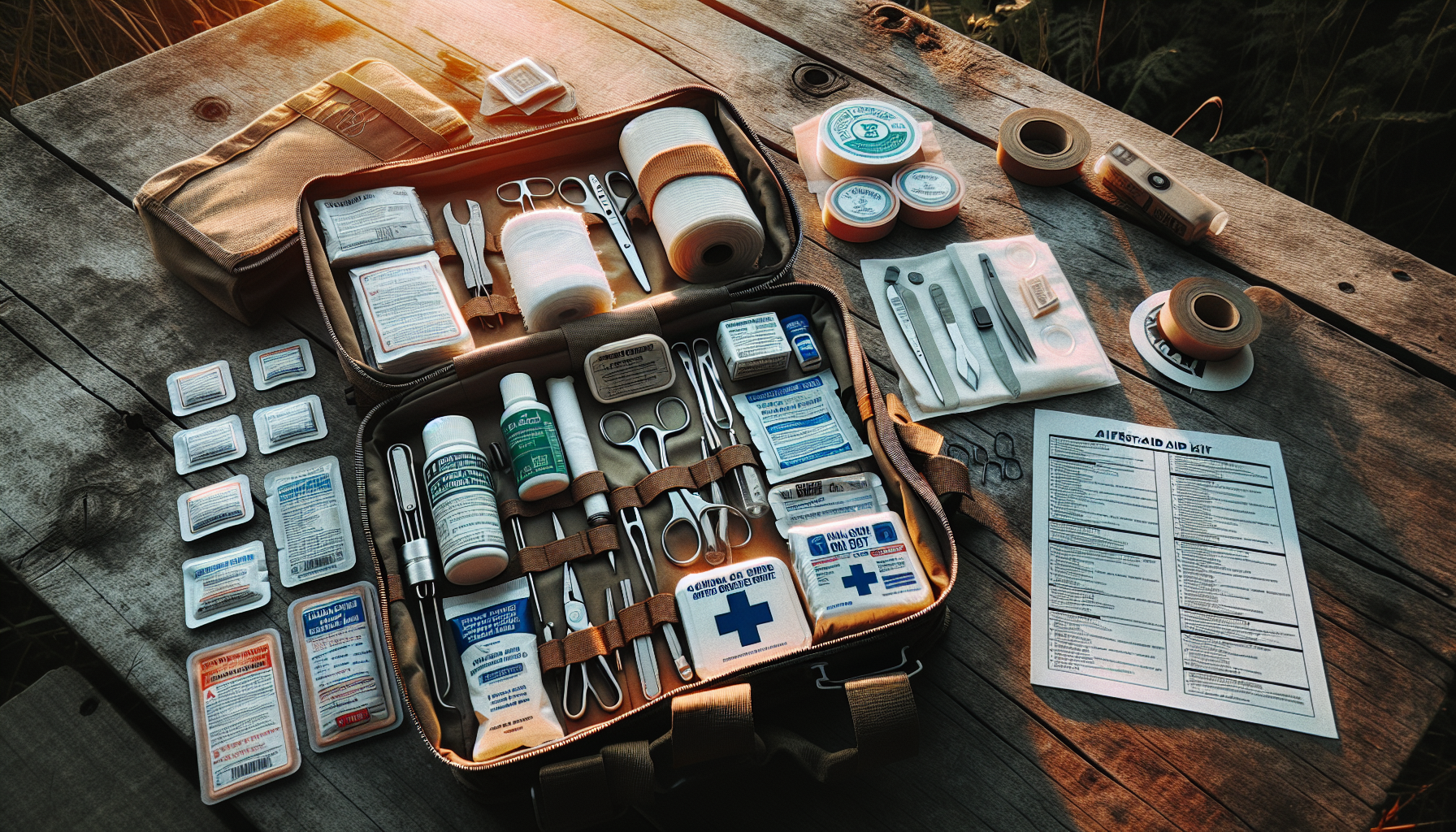
Venturing into the great outdoors comes with inherent risks, and being prepared is paramount to a safe and enjoyable camping trip. While a standard first-aid kit might suffice for minor mishaps at home, the wilderness presents unique challenges that demand a more comprehensive approach to emergency preparedness. This guide delves into the essential items every camping first-aid kit should contain, ensuring you're equipped to handle anything from blisters and bug bites to more serious situations. Whether you're a seasoned hiker or a novice camper, understanding the importance of a well-stocked and tailored first-aid kit is crucial for mitigating risks and ensuring peace of mind on your next outdoor adventure.
Why a Regular First-Aid Kit Isn't Enough for Camping
While a regular first-aid kit is great for everyday mishaps at home, venturing into the great outdoors demands a bit more from your emergency medical supplies. Here's why:
- Unique Risks of the Outdoors: Camping exposes you to a range of hazards you won't encounter in your living room. Poison ivy, oak, and sumac can leave you itchy and uncomfortable, while encounters with wildlife, from curious critters to biting insects, can lead to unexpected injuries. Additionally, harsh weather conditions like intense sun, extreme cold, or sudden storms can necessitate specific treatments.
- Distance from Medical Help: In the wilderness, access to hospitals or clinics can be limited or hours away. This distance necessitates a more comprehensive first-aid kit equipped to handle a wider range of scenarios. Having the right supplies on hand can make a world of difference in stabilizing an injury or managing a medical condition until you can reach professional help.
- Lightweight and Compact Options: Every ounce counts when you're hiking to your campsite. Unlike your well-stocked bathroom cabinet, your camping first-aid kit needs to be lightweight and compact enough to carry comfortably, without weighing you down on the trails.
Essential Items for Every Camping First-Aid Kit
A well-stocked camping first-aid kit is your best friend in the wilderness. Here are the must-have items that should always find a place in your backpack:
Wound Care:
- Bandages (various sizes): From small cuts to larger scrapes, a variety of bandage sizes is crucial for covering and protecting wounds.
- Gauze pads: Ideal for cleaning wounds or applying pressure to stop bleeding.
- Antiseptic wipes: Convenient single-use packets for disinfecting minor cuts, scrapes, and burns.
- Antibiotic ointment: Prevents infection by keeping wounds clean and moist.
- Blister treatment: Hiking boots and rough terrain are a recipe for blisters. Pack blister pads or moleskin for immediate relief and protection.
- Medical tape: Secure bandages, gauze pads, or even splint a sprained finger in a pinch.
- Scissors: A small pair of scissors is invaluable for cutting bandages, gauze, or clothing if needed.
Medications & Treatments:
- Pain relievers: Over-the-counter pain relievers like ibuprofen or acetaminophen can alleviate headaches, muscle aches, and reduce fever.
- Antihistamines: Combat allergic reactions from insect bites, pollen, or unexpected encounters with poison ivy.
- Anti-diarrheal medication: Don't let an upset stomach ruin your trip. Pack medication to address digestive issues quickly.
- Sunscreen: Protect your skin from harmful UV rays, even on cloudy days.
- Insect repellent: Ward off mosquitos, ticks, and other biting insects.
- Hydrocortisone cream: Soothes itchy rashes from insect bites, poison ivy, or mild allergic reactions.
- Aloe vera gel: Provides cooling relief for sunburns.
- Oral rehydration salts: Essential for rehydrating after strenuous activity, especially in hot weather, or if experiencing vomiting or diarrhea.
Tools & Other Essentials:
- Tweezers: Remove splinters, ticks, or other foreign objects from the skin.
- Splinter removal tool: For stubborn splinters, this tool can be a lifesaver.
- Safety pins: Handy for securing bandages or clothing.
- Thermometer: Monitor potential fever in case of illness or heat exhaustion.
- Emergency blanket: A lightweight, compact blanket retains heat and provides shelter in case of emergencies.
- Whistle: Signal for help if lost or injured.
- Waterproof matches/lighter: Essential for starting a fire for warmth or cooking, even in damp conditions.
- Signaling mirror: Attract attention from rescuers during daylight hours.
- Duct tape: A true multi-purpose item—repair gear, create a makeshift bandage, or even use it to remove ticks!
- Hand sanitizer: Maintain hygiene, especially before handling food or treating wounds.
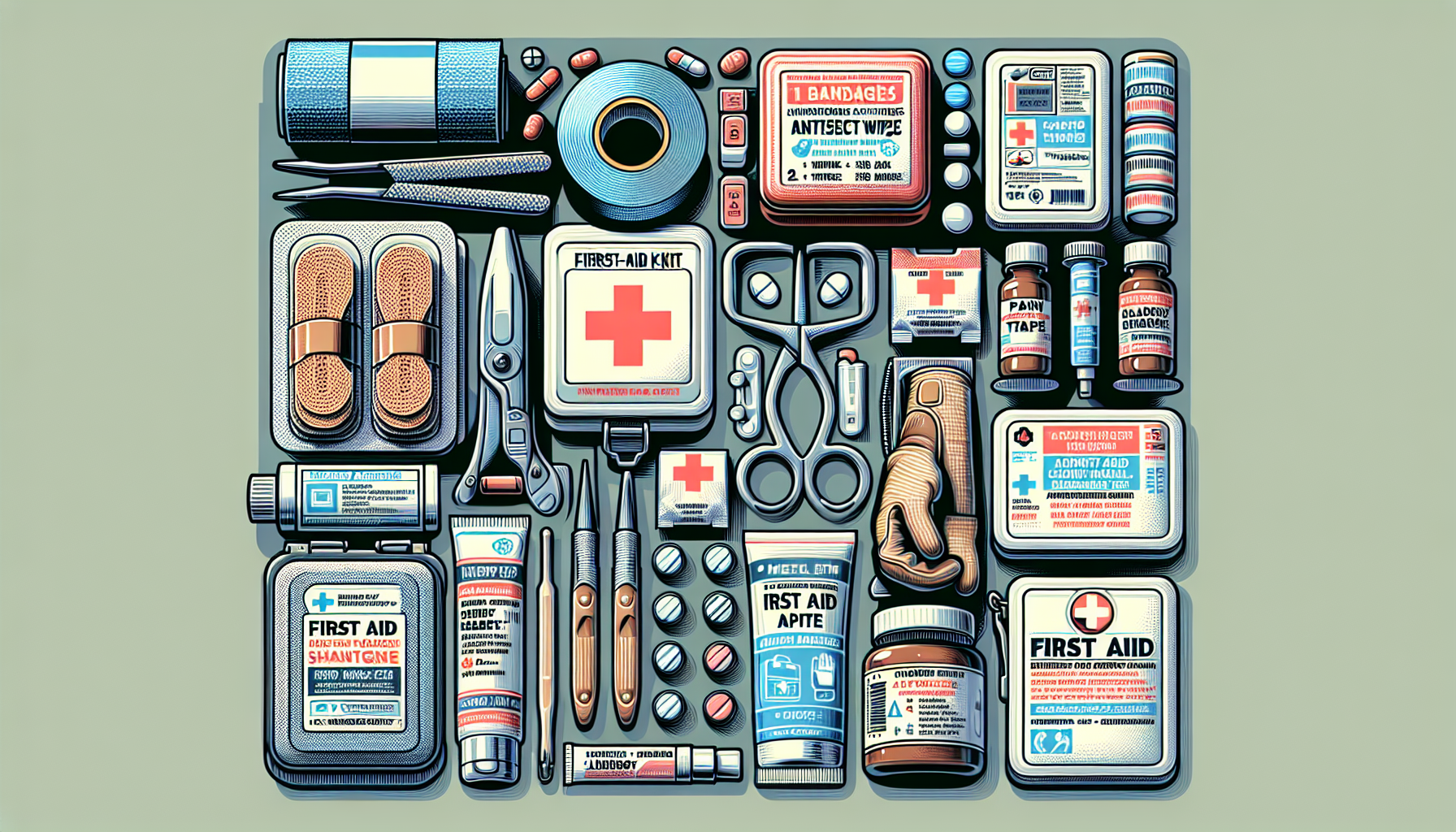
Essential Items for Every Camping First-Aid Kit
Packing a first-aid kit is non-negotiable for any camping trip, but simply tossing in a pre-made kit from the drugstore isn't enough. The great outdoors present unique challenges and potential hazards that demand a more comprehensive approach to first aid.
Think about it: you're miles from the nearest clinic, navigating uneven terrain, and exposed to unpredictable weather. A sprained ankle on a day hike is one thing, but it takes on a whole new meaning if you're miles from your car and nightfall is approaching. That's why a well-stocked, camping-specific first-aid kit is crucial for handling anything from minor scrapes to more serious situations.
Here's a breakdown of the essentials you should always pack:
Wound Care:
* **Bandages (various sizes):** From small adhesive bandages for blisters to larger gauze pads for covering significant wounds, having a variety of sizes ensures you can address different types of injuries.
* **Gauze Pads:** Essential for cleaning and covering wounds, these come in sterile packs and are highly absorbent.
* **Antiseptic Wipes:** These pre-moistened wipes are ideal for cleaning cuts and scrapes, helping to prevent infection.
* **Antibiotic Ointment:** Applying a thin layer of antibiotic ointment to minor cuts and burns can speed up the healing process.
* **Blister Treatment:** Whether it's from ill-fitting hiking boots or repetitive motion, blisters are a camper's nemesis. Pack blister pads or moleskin to provide cushioning and relief.
* **Medical Tape:** This versatile tool secures bandages, creates a butterfly closure for deeper cuts, and even holds splints in place.
* **Scissors:** A small pair of scissors is crucial for cutting bandages, gauze, and even clothing if necessary.
Medications & Treatments:
* **Pain Relievers:** Over-the-counter pain relievers like ibuprofen or acetaminophen can manage pain and reduce inflammation from injuries or unexpected headaches.
* **Antihistamines:** From bug bites to unexpected allergic reactions to plants, having antihistamine pills or cream on hand can provide much-needed relief.
* **Anti-Diarrheal Medication:** Don't let an upset stomach derail your trip. Pack anti-diarrheal medication to manage symptoms and prevent dehydration.
* **Sunscreen:** Protecting your skin from the sun's harmful rays is essential, even on cloudy days. Choose a broad-spectrum sunscreen with an SPF of 30 or higher.
* **Insect Repellent:** Keep pesky mosquitoes and biting flies at bay with a DEET-based insect repellent, or opt for natural alternatives like citronella oil.
* **Hydrocortisone Cream:** This topical cream provides relief from itching caused by bug bites, poison ivy, and other skin irritations.
* **Aloe Vera Gel:** Soothing and cooling, aloe vera gel is a must-have for treating minor burns from campfires or sun exposure.
* **Oral Rehydration Salts:** Dehydration can sneak up on you quickly, especially in hot weather. These electrolyte-rich powders, mixed with water, help replenish essential fluids and minerals.
Tools & Other Essentials:
* **Tweezers:** Essential for removing splinters, ticks, and other foreign objects from the skin.
* **Splinter Removal Tool:** For stubborn splinters, a dedicated splinter removal tool with a magnifying glass can be a lifesaver.
* **Safety Pins:** Useful for securing bandages, pinning torn clothing, and even creating a makeshift sling.
* **Thermometer:** A thermometer allows you to monitor for fever, which can be a sign of infection or heat exhaustion.
* **Emergency Blanket:** Lightweight and compact, an emergency blanket retains heat and can be a lifesaver in cold or wet conditions.
* **Whistle:** A whistle is invaluable for signaling for help if you become lost or separated from your group.
* **Waterproof Matches/Lighter:** Being able to start a fire is crucial for warmth, cooking, and signaling for help. Ensure your fire-starting tools are waterproof and reliable.
* **Signaling Mirror:** In an emergency, a signaling mirror can reflect sunlight over long distances to attract attention.
* **Duct Tape:** This versatile fix-it-all can repair gear, secure splints, and even serve as a makeshift bandage in a pinch.
* **Hand Sanitizer:** Keeping hands clean is especially important when camping, where access to soap and water may be limited.
Remember, this is just a starting point. Building a comprehensive camping first-aid kit is a personalized process.

Customizing Your Kit for Specific Needs
While the essential items listed above provide a solid foundation for most camping trips, it's crucial to personalize your first-aid kit to accommodate unique needs and potential risks. Here are some key considerations:
Trip Length and Location
The duration and location of your camping adventure significantly influence the contents of your kit. A weekend trip to a well-populated campground might require only minor additions to the essentials. However, a multi-day backpacking expedition into remote wilderness demands a more comprehensive approach.
* **Longer Trips:** Pack extra supplies of everything, particularly medications, wound care materials, and blister treatment. Consider adding a suture kit for severe lacerations if venturing far from help.
* **Remote Locations:** Prioritize items for serious injuries and emergencies that could necessitate prolonged self-sufficiency. Include a more advanced first-aid guide, a signaling device (satellite messenger or personal locator beacon), and extra water purification tablets.
Planned Activities and Potential Hazards
Tailor your kit to the specific activities you'll be engaging in and the potential hazards associated with the environment.
* **Water Activities:** If swimming, kayaking, or fishing are on the agenda, include waterproof bandages, ear drops for swimmer's ear, and a rescue whistle.
* **Hiking and Climbing:** Pack extra blister treatment, joint support bandages, and a splint for potential sprains or fractures.
* **High Altitude:** Consider adding altitude sickness medication if camping above 8,000 feet.
* **Desert Environments:** Prioritize sun protection with extra sunscreen, lip balm, and a wide-brimmed hat. Pack extra electrolyte powder or tablets to aid in hydration.
* **Areas with Venomous Creatures:** Research the area and pack appropriate items, such as a snake bite kit or insect sting relief wipes.
Pre-Existing Medical Conditions and Allergies
If you or anyone in your group has pre-existing medical conditions or allergies, pack necessary medications and clearly label them.
* **Prescription Medications:** Carry an adequate supply, stored in their original containers with clear instructions. Inform everyone in your group about the medications and their purpose.
* **Allergies:** Always pack an EpiPen if you have a known severe allergy, even if you haven't needed to use it recently. Ensure it's easily accessible and that everyone in your group knows how to administer it in case of an emergency.
* **Other Conditions:** Pack appropriate supplies for managing conditions like diabetes, asthma, or heart problems.
Importance of Knowing How to Use Your Kit
Assembling a well-stocked first-aid kit is only half the battle. Knowing how to effectively use the items within is equally crucial.
* **Read Instructions:** Before heading out, familiarize yourself with all medications, tools, and instructions included in your kit.
* **Practice Basic First Aid:** Refresh your knowledge of basic first aid techniques such as treating wounds, managing sprains, and administering CPR.
* **Consider a Wilderness First Aid Course:** For extended trips or adventures into remote areas, taking a wilderness first aid course is highly recommended. These courses provide hands-on training for handling a wide range of outdoor medical emergencies in situations where professional help may be hours or even days away.
By personalizing your camping first-aid kit to your specific needs and ensuring you're comfortable using its contents, you can enjoy your outdoor adventures with peace of mind, knowing you're prepared for the unexpected.
Assembling a well-stocked camping first-aid kit is an essential part of responsible outdoor recreation. It's not just about treating minor cuts and scrapes, but being prepared for the unexpected challenges that can arise in the wilderness. By understanding the unique risks associated with camping and customizing your kit accordingly, you're prioritizing the safety and well-being of yourself and your companions. Remember, a well-stocked kit is only as good as your ability to use it effectively. Consider taking a wilderness first aid course to gain the knowledge and skills necessary to handle a variety of medical situations. By being prepared, informed, and proactive, you can enjoy your camping adventures with confidence, knowing that you're equipped to handle whatever comes your way.
Comments
Post a Comment