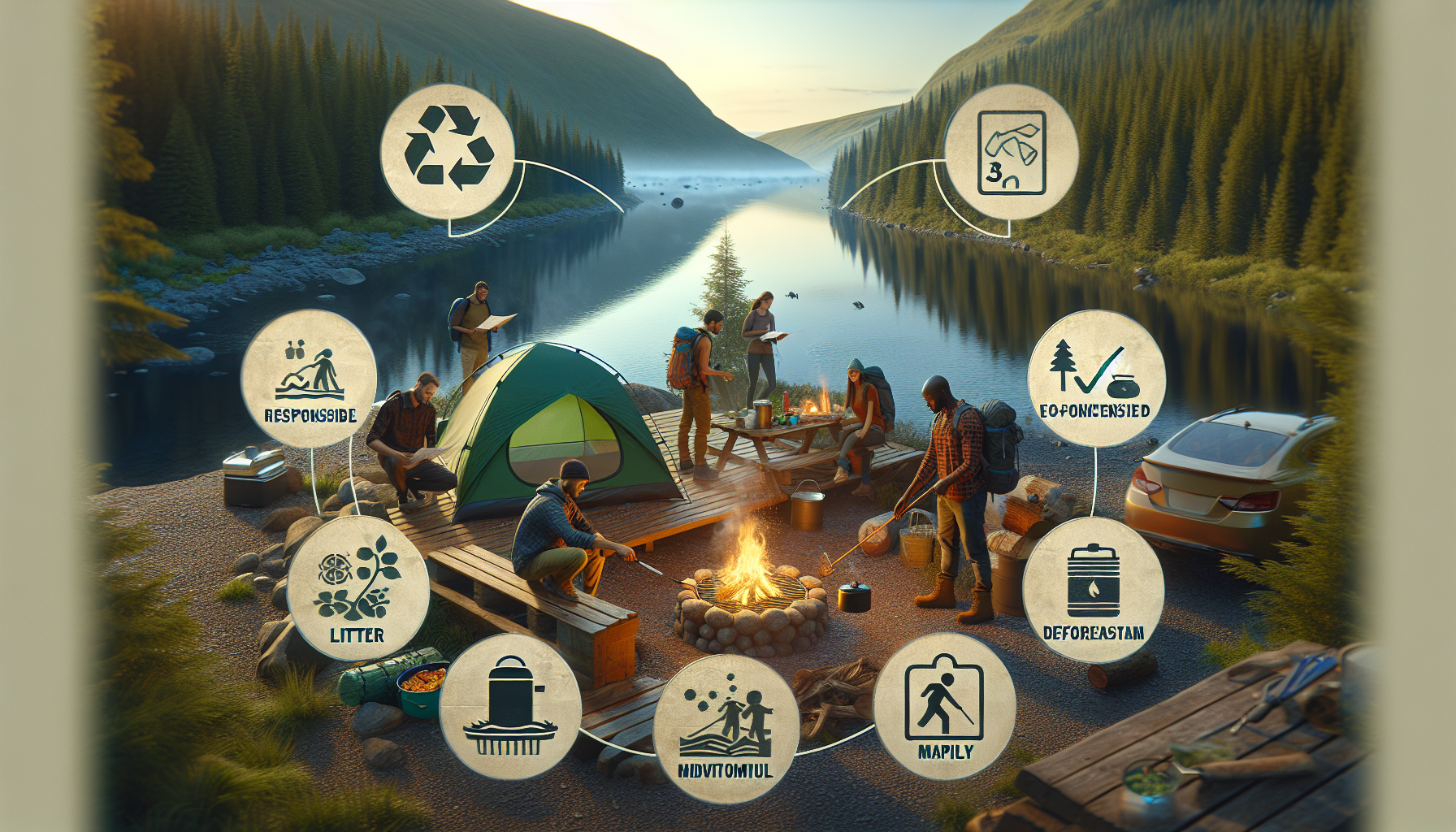
Imagine stepping into a pristine wilderness, the air alive with birdsong, the ground soft with pine needles. Now, imagine that same place littered with trash, the silence broken by the buzz of insects drawn to discarded food. As more and more people seek solace and adventure in the great outdoors, it's crucial that we understand our responsibility to protect the very places we love. This is where the seven principles of Leave No Trace come in. Leave No Trace is more than just a set of rules; it's a philosophy, a commitment to enjoying the wilderness while minimizing our impact. From careful campsite selection to respecting wildlife and packing out everything we pack in, these principles provide a roadmap for responsible camping. By following Leave No Trace, we ensure that future generations inherit the same breathtaking landscapes and unspoiled beauty that we cherish today.
7 Principles for Low-Impact Camping
Leaving nature better than you found it is the core of responsible camping. By following the seven Leave No Trace principles, we can minimize our impact and ensure the wilderness remains pristine for generations to come. Whether you're an experienced backpacker or a first-time camper, these guidelines provide a framework for enjoying the outdoors responsibly.
1. Plan Ahead and Prepare
Proper planning is the foundation of a Leave No Trace trip. Before you head out:
* **Research your destination:** Understand the regulations, permit requirements, and any fire restrictions in place.
* **Pack appropriately:** Bring sufficient food, water, and gear to minimize waste and avoid relying on natural resources.
* **Consider the weather:** Be prepared for changing conditions with appropriate clothing and shelter.
* **Travel in small groups:** Smaller groups have a lighter footprint and are easier to manage in delicate environments.
2. Travel and Camp on Durable Surfaces
Concentrating your impact on designated trails and campsites helps protect vegetation and prevent erosion.
* **On trails:** Stay on established paths even when wet or muddy to avoid widening the trail and damaging surrounding vegetation.
* **At your campsite:** Choose an existing site whenever possible and set up camp on durable surfaces like rock, gravel, or established tent pads.
* **Good campsites are found, not made:** Avoid altering a site to fit your needs.
3. Dispose of Waste Properly
Pack it in, pack it out is the golden rule of waste disposal in the outdoors.
* **Trash:** Pack out all trash, including food scraps, wrappers, cigarette butts, and hygiene products.
* **Wastewater:** Use designated toilets whenever available. If necessary, bury human waste at least 200 feet from water sources and trails in a 6-8 inch deep cathole.
* **Biodegradables:** While biodegradable, fruit peels and other organic waste can take a long time to decompose and attract animals. Pack these out too.
4. Leave What You Find
Resist the urge to take souvenirs or alter the natural environment.
* **Rocks, plants, and artifacts:** Leave natural objects where you find them. This includes avoiding the building of structures, digging trenches, or moving rocks.
* **Historical artifacts:** If you encounter cultural or historical artifacts, observe them without disturbing them and report your findings to the appropriate land management agency.
5. Minimize Campfire Impacts
Campfires, while a camping tradition, can have a significant impact.
* **Use existing fire rings:** If allowed, utilize designated fire rings or stoves to minimize scarring the landscape.
* **Gather firewood responsibly:** Collect only downed, dead wood and avoid cutting live trees or branches.
* **Keep it small:** A small fire is often sufficient for cooking and warmth.
* **Extinguishing campfires:** Ensure your fire is completely out and cold to the touch before leaving your campsite. Drown it with water, stir the ashes, and add more water.
6. Respect Wildlife
Observing wildlife from a distance is a privilege, and we must prioritize their safety and well-being.
* **Maintain a safe distance:** Use binoculars or telephoto lenses for close-up views and avoid approaching or following animals.
* **Never feed wildlife:** Feeding animals can alter their natural behaviors, create dependence on humans, and lead to aggressive behavior.
* **Store food securely:** Store all food and scented items in bear canisters or use designated food storage areas to prevent attracting animals to your campsite.
7. Be Considerate of Other Visitors
Respect for other visitors enhances everyone's experience in shared outdoor spaces.
* **Keep noise levels down:** Be mindful of others, especially in the early morning and evening hours.
* **Yield to others on the trail:** Hikers going uphill have the right of way. Step aside to allow others to pass.
* **Control your pets:** Keep pets leashed where required and clean up after them. Not everyone appreciates the company of dogs.
* **Leave no trace of your presence:** Pack out everything you brought with you and leave your campsite better than you found it.
By embracing these principles, we can ensure that future generations have the opportunity to enjoy the same pristine wilderness we cherish today. Remember, Leave No Trace is not just a set of rules, but an ethic that guides our actions and fosters a deep respect for the natural world.
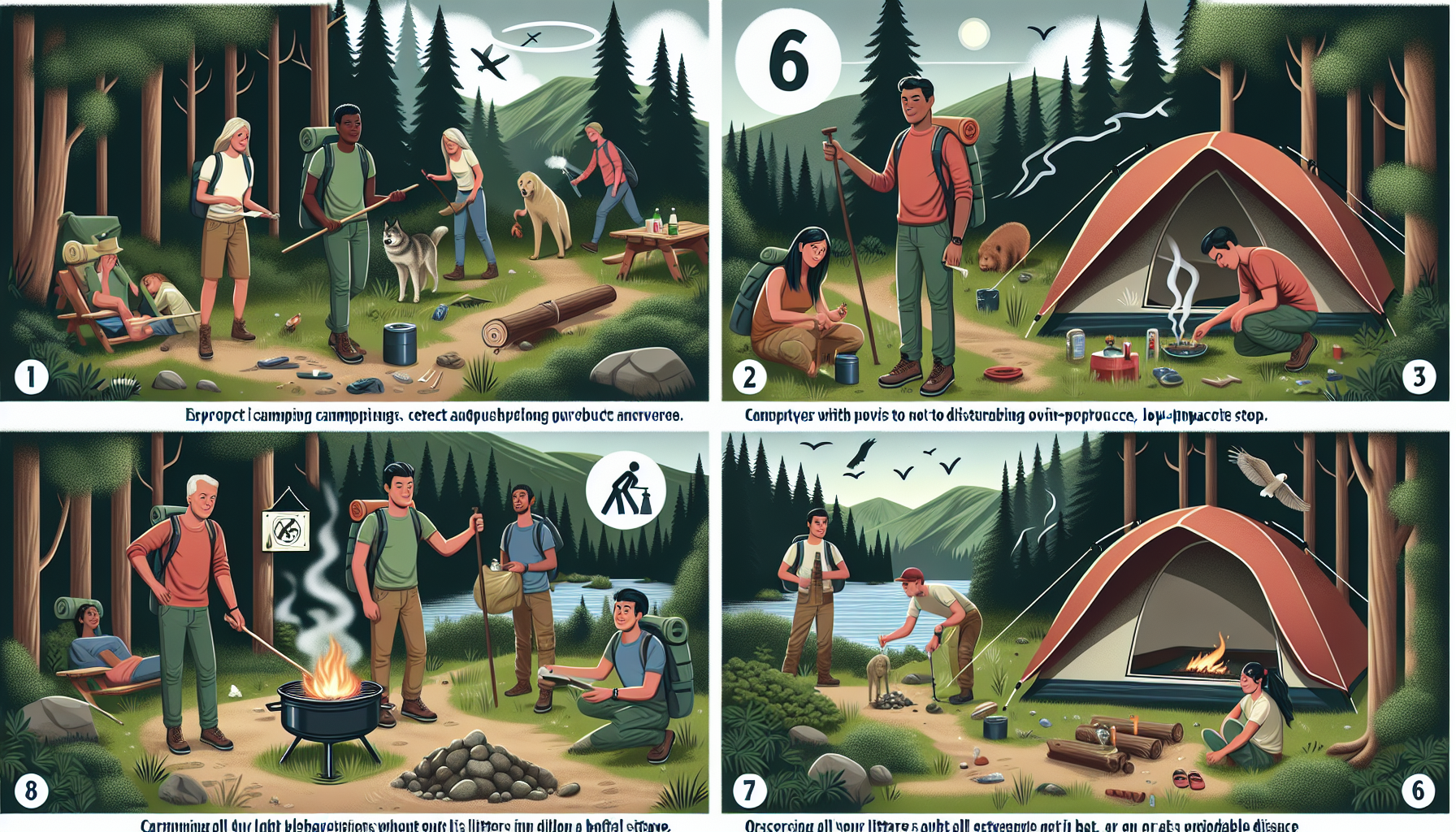
7 Principles for Low-Impact Camping
Leaving No Trace isn't just a catchy phrase, it's a commitment to protecting the wild places we love. By following these seven principles, we can minimize our impact and ensure pristine landscapes for generations to come:
1. Plan Ahead and Prepare
A well-planned trip is a key ingredient to responsible camping. Before you set foot on the trail, consider these factors:
* **Know the regulations and special concerns:** Research your destination thoroughly. Are campfires permitted? Are there restrictions on group sizes or camping areas? Familiarize yourself with any permit requirements.
* **Prepare for extreme weather, hazards, and emergencies:** Pack for unexpected changes in weather and potential hazards like wildlife encounters or medical emergencies.
* **Pack light and utilize reusable gear:** Opt for reusable water bottles, food containers, and camp soap to minimize waste.
* **Travel in small groups when possible:** Smaller groups have a lighter impact on the environment.
2. Travel and Camp on Durable Surfaces
Protecting vegetation and minimizing erosion are crucial to Leave No Trace:
* **Stick to established trails and campsites:** Avoid creating new trails or campsites, as this damages vegetation and soil.
* **Camp at least 200 feet from water sources:** Protect water quality and wildlife by camping a safe distance from lakes, rivers, and streams.
* **Good campsites are found, not made:** In pristine areas, choose a campsite that's already impacted rather than creating a new one.
3. Dispose of Waste Properly
Pack it in, pack it out is the golden rule of responsible waste management:
* **Pack out ALL trash and litter:** This includes food scraps, wrappers, cigarette butts, and hygiene products.
* **Use designated toilets when available:** If no toilets are present, follow proper human waste disposal techniques (cathole method).
* **Strain your dishwater:** Use a strainer to capture food particles, then scatter the strained water away from your campsite.
4. Leave What You Find
Resist the urge to take souvenirs or alter the natural environment:
* **Preserve natural objects:** Leave rocks, plants, flowers, and historical artifacts undisturbed. Take only photographs and memories with you.
* **Avoid building structures or furniture:** Resist the temptation to build rock cairns, dig trenches, or create makeshift furniture.
5. Minimize Campfire Impacts
While campfires can enhance the camping experience, they require responsible management:
* **Use established fire rings when possible:** If permitted, utilize existing fire rings to minimize impact.
* **Keep fires small and manageable:** A smaller fire is easier to control and produces less smoke and ash.
* **Burn all wood to ash and extinguish campfires completely:** Douse the fire with water, ensuring no embers remain.
6. Respect Wildlife
Observing wildlife ethically ensures their well-being and your safety:
* **View wildlife from a distance:** Use binoculars or a camera lens to observe without disturbing animals.
* **Never feed wildlife:** Feeding wildlife disrupts their natural behaviors and can make them sick or dependent on humans.
* **Store food and scented items securely:** Protect your food and attractants from wildlife by using bear canisters or storing them properly.
7. Be Considerate of Other Visitors
Sharing the outdoors responsibly enhances everyone's experience:
* **Keep noise levels down:** Be mindful of other campers, especially during quiet hours.
* **Yield to others on the trail:** Hikers going uphill have the right of way.
* **Leave no trace of your presence:** Pack out everything you brought, leaving the campsite as pristine as you found it.
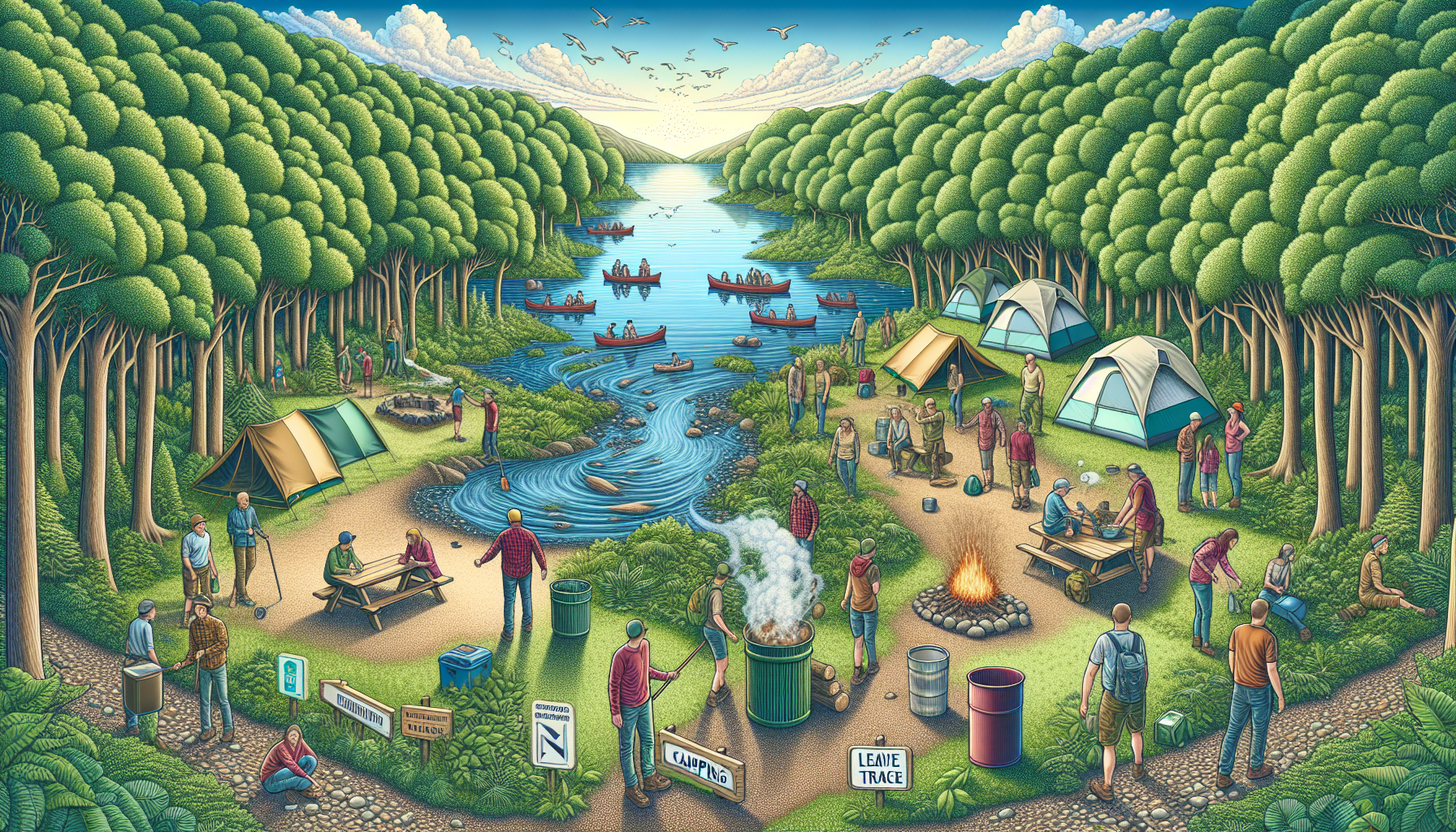
Be a Steward of the Outdoors: Camping for Future Generations
Leaving No Trace isn't just about a single camping trip; it's about ensuring the great outdoors remains vibrant and welcoming for generations to come. By adopting sustainable practices and becoming advocates for responsible recreation, we contribute to a legacy that values and protects our planet.
The Ripple Effect of Responsible Camping
Imagine a pristine mountain meadow, a crystal-clear stream, or a secluded forest trail. These natural treasures are not ours alone to enjoy; they are part of a delicate ecosystem that provides habitat for countless species and offers solace and adventure for countless people. Every time we choose to camp responsibly, we make a difference. We minimize our impact, reduce the strain on these fragile environments, and help ensure their preservation for future generations.
Our actions, however small they may seem, have a ripple effect. When others witness responsible camping in action, it plants a seed. They might be inspired to adopt similar practices, spreading the ethos of Leave No Trace even further. This collective effort creates a powerful force for good, safeguarding the wilderness we cherish for years to come.
Gearing Up for Sustainability
The choices we make when purchasing and using camping gear also play a significant role in our overall environmental impact. Embracing sustainable camping gear is a tangible way to reduce our footprint and support eco-conscious businesses. Here are some key areas to consider:
* **Durable Gear:** Invest in high-quality, long-lasting gear. It might require a higher initial investment, but it will save money and resources in the long run by reducing the need for frequent replacements.
* **Reusables:** Ditch single-use plastics and opt for reusable alternatives whenever possible. Bring your own water bottle, coffee mug, and food containers.
* **Eco-Friendly Products:** Seek out camping gear made from recycled or sustainably sourced materials. Look for brands that prioritize environmental responsibility in their manufacturing processes.
* **Repair and Repurpose:** Before discarding worn-out gear, explore options for repair or repurposing. A little creativity can extend the life of your equipment and reduce waste.
Becoming an Advocate for Change
Leaving No Trace is more than just a set of guidelines; it's a commitment to protecting the places we love. By becoming advocates for responsible recreation, we can inspire others to join the movement and magnify our impact:
* **Share Your Knowledge:** Educate friends, family, and fellow campers about Leave No Trace principles. Share your experiences and encourage them to adopt sustainable camping practices.
* **Lead by Example:** Be a role model for responsible camping. Demonstrate Leave No Trace principles in your own actions and inspire others to do the same.
* **Support Conservation Efforts:** Consider supporting organizations dedicated to protecting wild spaces and promoting responsible recreation. Volunteer your time, donate to a worthy cause, or simply spread the word about their important work.
* **Speak Up:** Don't be afraid to politely address instances of irresponsible behavior you witness while camping. A friendly reminder can go a long way in promoting awareness and encouraging positive change.
By embracing the principles of Leave No Trace, making conscious gear choices, and advocating for responsible recreation, we become stewards of the outdoors. We ensure that the beauty and wonder of nature will be enjoyed by generations to come, leaving behind a legacy that values and protects our planet.
As we conclude our exploration of Leave No Trace principles, let the significance of our actions resonate deeply. Each footstep, each carefully chosen campsite, each properly extinguished ember contributes to the preservation of the natural world we cherish. Leaving no trace is not merely a set of guidelines but a philosophy, a commitment to responsible stewardship that transcends generations.
By embracing these principles, we become more than just campers; we evolve into guardians of the wilderness. The delicate ecosystems we wander through, the wildlife we observe from a respectful distance, and the pristine beauty that surrounds us all deserve our utmost care. Let us remember that the legacy we leave behind is not etched in stone or marked by fire pits but measured by the untouched beauty that persists for generations to come.
As you plan your next outdoor adventure, carry these principles close to your heart. Share them with fellow adventurers, inspire others to tread lightly, and be a beacon of responsible recreation. Together, we can ensure that the pristine beauty of our natural spaces remains a source of wonder and inspiration for generations to come.
Comments
Post a Comment