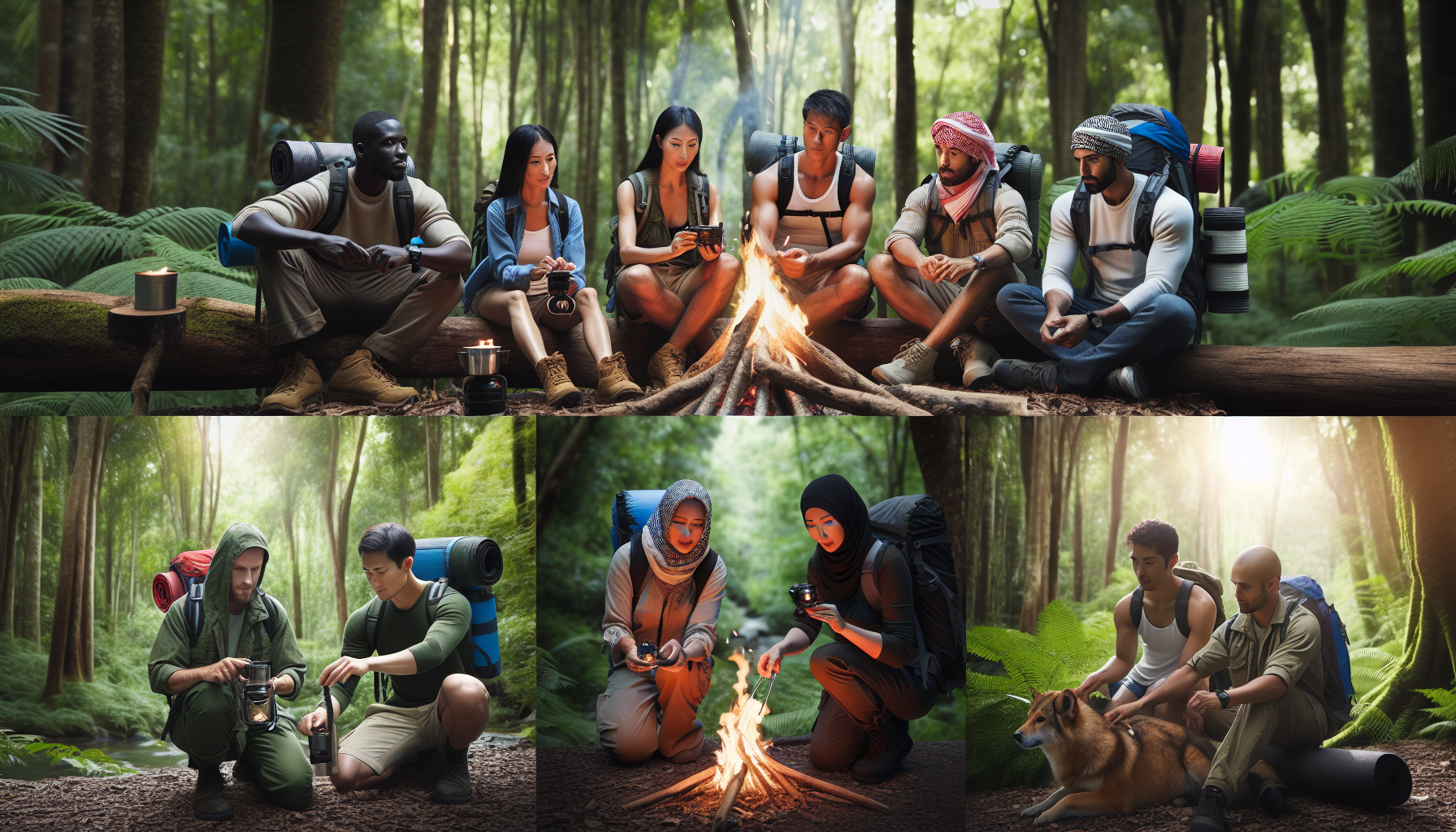
For many first-time campers, the allure of the great outdoors is often intertwined with anxieties about the unknown. Will there be wild animals? What if I get lost? What if I'm not prepared for the unexpected? These are all valid concerns that can keep aspiring campers from experiencing the transformative power of connecting with nature. This guide is here to equip you with essential safety tips and practical advice to overcome those fears and embark on your first camping adventure with confidence. From choosing the right campsite and packing essential gear to understanding wildlife behavior and handling emergencies, we'll cover everything you need to know to have a safe and enjoyable camping experience.
Essential Camping Safety Precautions
Venturing into the wilderness for the first time can feel daunting. The unknown rustles with both excitement and a touch of apprehension. By taking sensible precautions and being prepared, you can significantly minimize risks and ensure a safe and enjoyable first camping trip. Remember, knowledge is power – especially when it comes to feeling secure in the great outdoors.
Planning & Preparation: Setting Yourself Up for Success
A well-planned camping trip is a safe camping trip. Thorough preparation empowers you to handle unexpected situations with confidence.
*
Choose the Right Campsite: Don't just wing it! Research campgrounds that suit your experience level. For beginners, established campgrounds with amenities like restrooms and running water offer a comfortable introduction. When selecting a site, look for level ground, avoid areas with potential hazards like dead trees or loose rocks, and ensure it's a safe distance from water sources to prevent flooding if conditions change.
*
Check the Weather: Mother Nature is unpredictable. Check the forecast for your chosen location right before you leave and pack accordingly. Be prepared for fluctuating temperatures, especially at night. Layering your clothing helps regulate body temperature. Don't forget essentials like rain gear, warm hats, and gloves, even in warmer months.
*
Tell Someone Your Plans: Always inform a friend or family member about your trip details – where you're going, when you plan to return, and any backup plans. This is crucial in case of emergencies and helps ensure someone knows your whereabouts should any unforeseen circumstances arise.
Packing the Essentials: Your Camping Safety Net
Packing the right gear can make the difference between a minor inconvenience and a more serious situation. Consider these essentials:
*
First-Aid Kit: A well-stocked first-aid kit is non-negotiable. Include bandages, antiseptic wipes, pain relievers, allergy medication, insect repellent, sunscreen, and any personal medications. Familiarize yourself with basic first-aid procedures beforehand.
*
Navigation Tools: Relying solely on your phone's GPS can be risky. Pack a physical map, compass, and a guidebook for the area. Learn basic navigation skills before you go. Understanding how to orient yourself and follow trails could be crucial if you find yourself off the beaten path.
*
Light and Communication: Pack a reliable headlamp or flashlight with extra batteries. A whistle is also important for signaling for help if needed. While cell service can be spotty, bring a portable phone charger in case of emergencies.
Campsite Setup: Creating a Safe Haven
Your campsite is your temporary home in the wild. Proper setup is key for comfort and safety.
*
Selecting a Safe Spot: When pitching your tent, look for level ground free of debris, sharp objects, and potential hazards like insect nests or poison ivy. Ensure the area is well-drained in case of rain. Avoid setting up under dead trees or branches that could fall.
*
Tent Techniques: Practice setting up your tent at home before your trip. Make sure you know how to secure it properly to withstand wind. Use all stakes and guylines provided for stability. Ventilate the tent adequately to prevent condensation buildup, especially in colder temperatures.
*
Food Storage: Storing food properly is crucial for avoiding unwanted encounters with wildlife. Never leave food or scented toiletries out in the open. Use airtight containers and store them in your car trunk or a designated bear-proof container if provided by the campground. Clean up spills and food scraps promptly.
Wildlife Awareness: Coexisting Peacefully
Encountering wildlife is often a highlight of camping, but it's essential to remember that wild animals are unpredictable.
*
Research and Respect: Before you go, research the wildlife common to the area and familiarize yourself with their behavior. Keep a respectful distance from all animals – observe them from afar and avoid approaching or feeding them.
*
Bear Spray & Safety: If you're camping in bear country, carrying bear spray is highly recommended. Learn how to use it properly before your trip. Store it accessibly and be aware of wind direction if you need to deploy it.
*
Leave No Trace Principles: Maintaining a clean campsite is paramount in preventing wildlife encounters. Dispose of trash properly and wash dishes away from your campsite. Avoid cooking strong-smelling foods that could attract animals.
By following these essential camping safety precautions, you'll not only minimize risks but also build confidence in your ability to navigate the outdoors safely. Preparation is key to overcoming fear and embracing the incredible experience of connecting with nature.
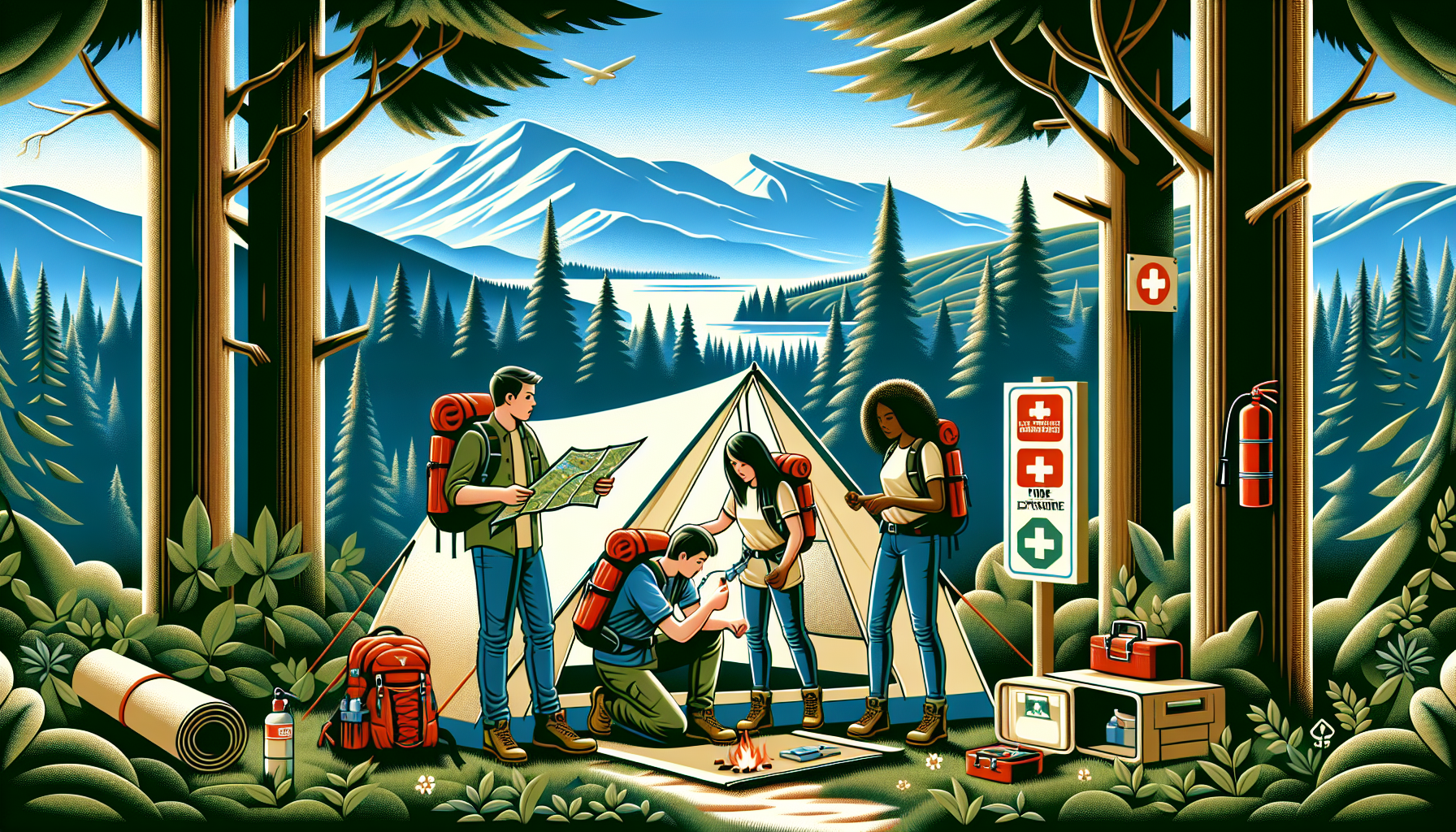
Essential Camping Safety Precautions
Venturing into the wilderness for the first time can feel daunting, but with proper preparation and awareness, you can ensure a safe and enjoyable experience. Remember, knowledge is power, and understanding the basics of camping safety can significantly alleviate potential risks.
Planning & Preparation: Setting Yourself Up for Success
A successful camping trip begins long before you set foot in the woods. Careful planning and preparation are crucial, setting the stage for a worry-free adventure:
*
Choosing the Right Campsite: Research and select a campsite appropriate for your experience level. Established campgrounds with amenities like restrooms and running water are ideal for beginners. Consider factors like proximity to amenities, elevation, and potential weather conditions.
*
Weather Check: Always check the weather forecast for your chosen location and pack accordingly. Sudden changes in weather are common in the wilderness, so be prepared for rain, wind, or temperature fluctuations.
*
Informing Someone About Your Whereabouts: Always tell a responsible friend or family member about your camping plans. Provide them with your itinerary, campsite details, and expected return time. This simple act ensures someone knows your whereabouts should any unforeseen circumstances arise.
*
Packing Essentials: A well-equipped first-aid kit is non-negotiable. Pack essentials like bandages, antiseptic wipes, pain relievers, allergy medication, and any personal medications. Navigation tools like a compass, map, and GPS device are crucial, especially for less developed areas.
Campsite Setup: Creating a Safe Haven
Arriving at your chosen campsite marks the beginning of transforming a patch of wilderness into your temporary home. Prioritizing safety during setup ensures a secure and comfortable camping experience:
*
Selecting a Safe Spot: Look for flat, well-drained ground for your tent. Avoid setting up camp at the base of hills or in areas prone to flooding. Check for potential hazards like dead trees, hanging branches, or large rocks overhead.
*
Setting Up Your Tent Properly: Familiarize yourself with your tent's setup instructions before you leave home. Ensure the tent is securely staked into the ground, using a rain fly for added protection against the elements.
*
Food Storage: Proper food storage is essential to avoid attracting unwanted wildlife visitors. Never leave food or scented toiletries unattended at your campsite. Utilize bear-resistant canisters or hang your food from a tree branch, well away from your sleeping area.
Wildlife Awareness: Respecting Nature's Inhabitants
Part of the allure of camping is immersing yourself in nature. However, it's vital to remember that you are a visitor in the homes of wild animals. Understanding and respecting wildlife behavior is paramount to ensuring safety:
*
Understanding Animal Behavior: Research the wildlife common to the area you're visiting. Learn about their habits, preferred food sources, and any potential dangers they might pose.
*
Carrying Bear Spray: In bear country, carrying bear spray is a non-negotiable safety precaution. Familiarize yourself with its proper use before heading out, and keep it easily accessible at all times.
*
Keeping a Clean Campsite: A clean campsite is a safe campsite. Dispose of food scraps properly and avoid leaving any food or scented items unattended. Wash dishes immediately after use, and store them securely.
By following these essential safety precautions, you can confidently venture into the great outdoors, prepared to face the unknown and embrace the transformative power of nature. Remember, safety is not about eliminating risk entirely but about minimizing it through informed decision-making and responsible camping practices.

Conquering Fears, Enjoying the Experience
Venturing into the wilderness for the first time can be daunting. It's natural to feel a twinge of anxiety about the unknown. But remember, the rewards of connecting with nature and pushing your boundaries far outweigh the fears. Here's how to build your confidence and truly savor the experience:
Start Small, Dream Big
You don't need to conquer the Appalachian Trail on your first trip. Begin with baby steps. Car camping at a developed campground with amenities like restrooms and running water is a fantastic way to dip your toes into the camping world. These campgrounds often offer a sense of community and readily available help if needed, allowing you to acclimate to the outdoors in a more controlled environment.
As your confidence grows, you can gradually increase the challenge. Consider dispersed camping in a national forest or tackling a one-night backpacking trip on a well-maintained trail. Remember, the journey of a thousand miles begins with a single step.
Tap into a World of Resources
Thankfully, in the digital age, a wealth of information and support is available at your fingertips. Utilize these resources to plan meticulously and address any concerns you may have.
* **Park Ranger Expertise:** Park rangers are invaluable sources of knowledge. Visit the ranger station upon arrival at your chosen campground or park. They can provide insights on trail conditions, wildlife activity, and any specific safety precautions for the area.
* **Online Camping Communities:** Connect with fellow outdoor enthusiasts in online forums and social media groups dedicated to camping. These platforms offer a space to share tips, seek advice, and learn from the experiences of others.
* **Camping Apps:** Explore the world of camping apps. Many apps provide campsite reviews, weather forecasts, trail maps, and even first-aid guides, putting a wealth of knowledge directly in your pocket.
Embrace the Unknown, Discover Yourself
Stepping outside your comfort zone is where the real magic happens. Embrace the unpredictable nature of the outdoors, knowing you've prepared yourself for a safe and enjoyable experience.
Remember, the challenges you overcome in nature often translate into newfound strength and resilience in everyday life. Camping offers an opportunity to reconnect with yourself, discover hidden capabilities, and gain a fresh perspective. So, take a deep breath, trust your instincts, and allow yourself to be amazed by the beauty and tranquility of the natural world.
Stepping into the unknown, whether it's your backyard or a secluded forest clearing, can be daunting. But by embracing essential safety precautions and a spirit of preparation, the anxieties surrounding camping can transform into thrilling anticipation. Remember, the wilderness, while demanding respect, offers unparalleled rewards. The quiet crackle of a campfire, the symphony of nature's sounds, and the breathtaking expanse of a star-filled sky are experiences best enjoyed when fear takes a backseat to knowledge and preparedness. So, pack your gear, take a deep breath, and embark on your first camping adventure. You might just surprise yourself with the strength and resilience you discover along the way.
Comments
Post a Comment